
Articles
Writings on Egyptian history, language, and culture.
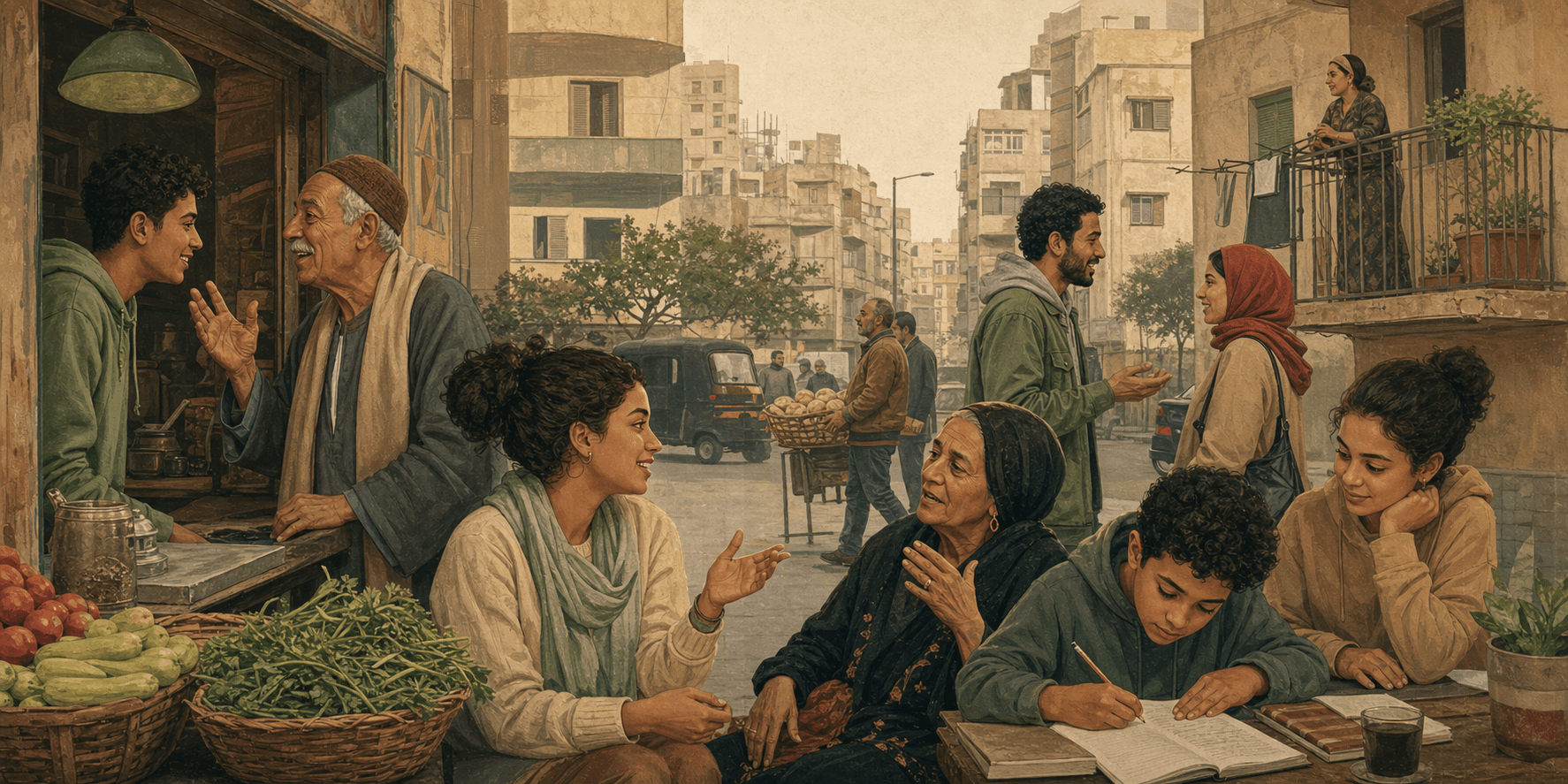
The Coptic Words Still Living Inside Egyptian Arabic
Egyptian Arabic did not simply replace the older Egyptian language. It absorbed part of it. Some Coptic words survived in months, tools, measures, village life, church life, and even baby-talk.
Published on
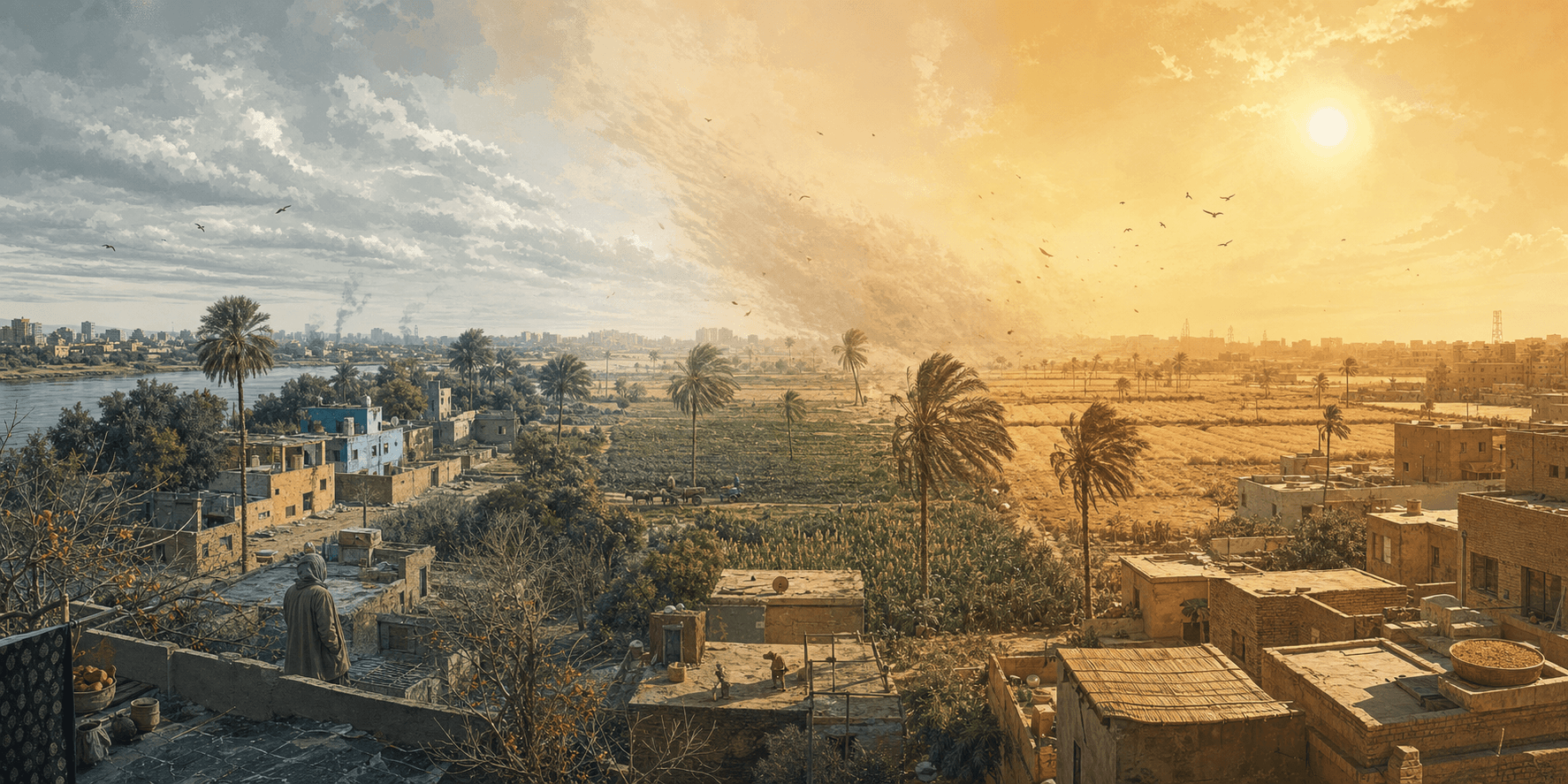
How Egyptians Read the Year Through Weather
The Egyptian year was not only counted by dates. It was read through cold, wind, dust, bloom, harvest, and the turns of weather tied to the old calendar.
Published on
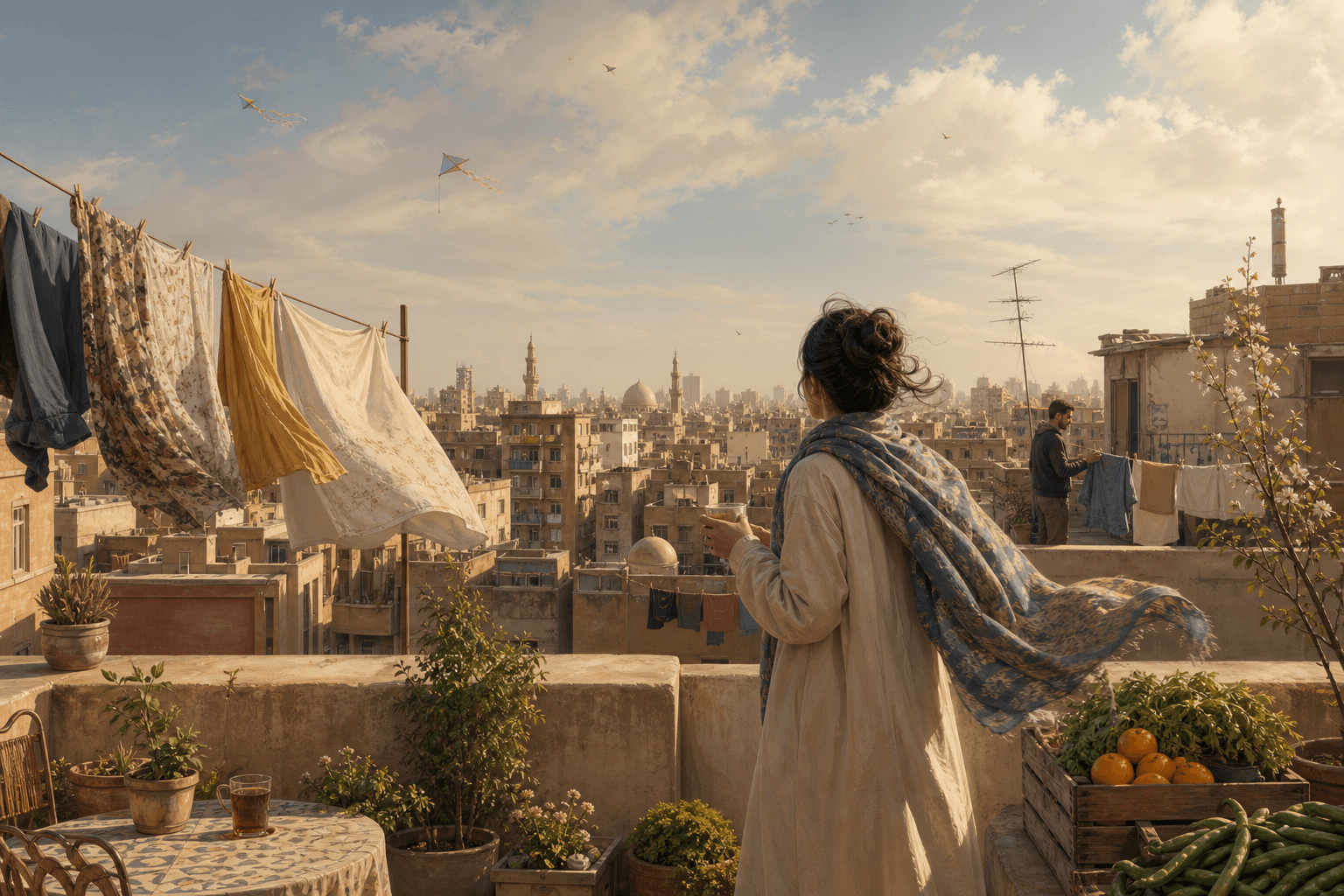
Why Egyptians Still Say Toba, Amshir, and Baramhat
Coptic month names still live in Egyptian speech. They survive in weather talk, family memory, farming rhythm, and the local way people feel the year.
Published on
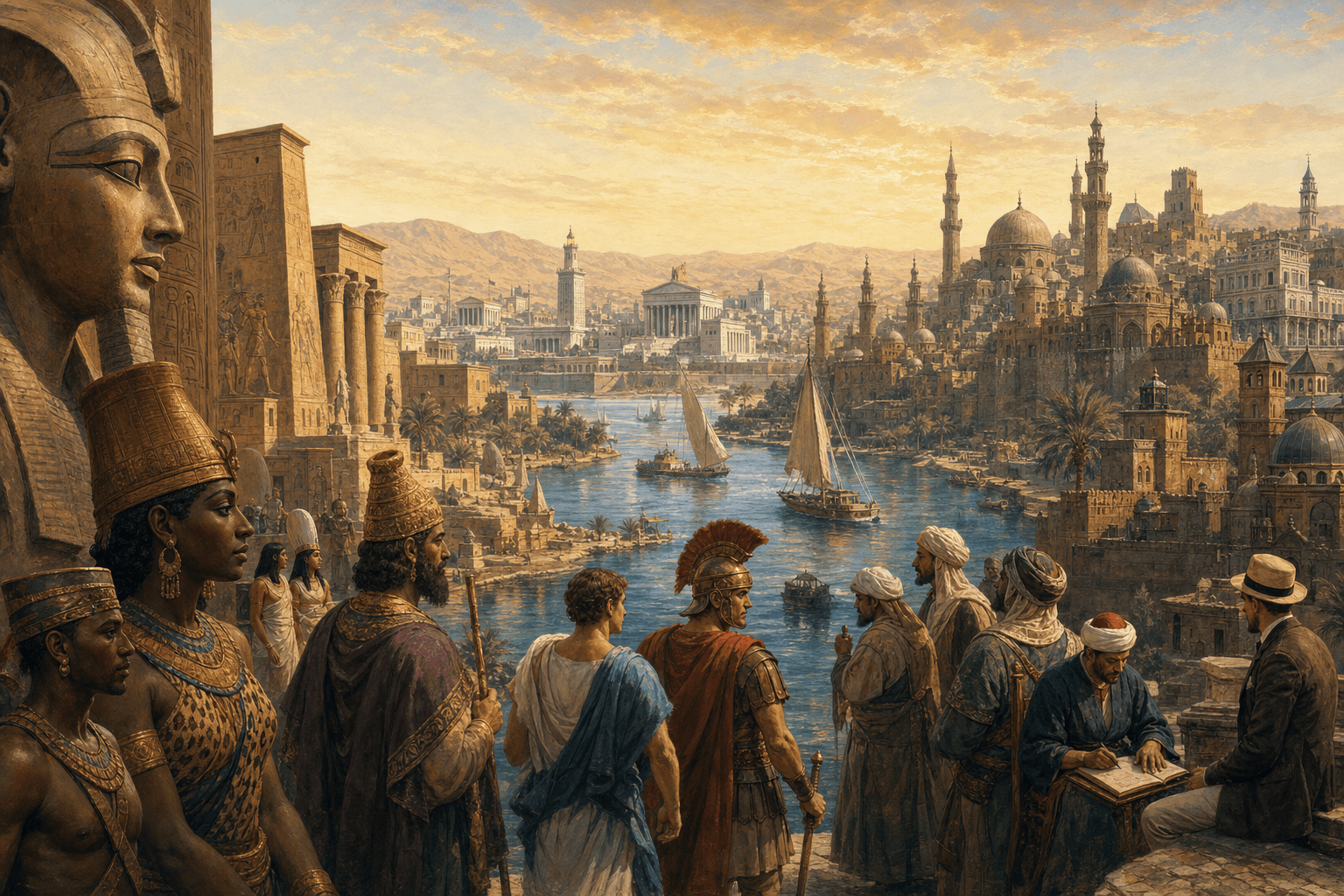
The Cultures That Passed Through Egypt, and the Egypt They Changed
Egypt was never sealed off from the world. Over centuries, Nubian, Persian, Greek, Roman, Arab, Ottoman, and European presences each left visible marks on the country that survived them.
Published on
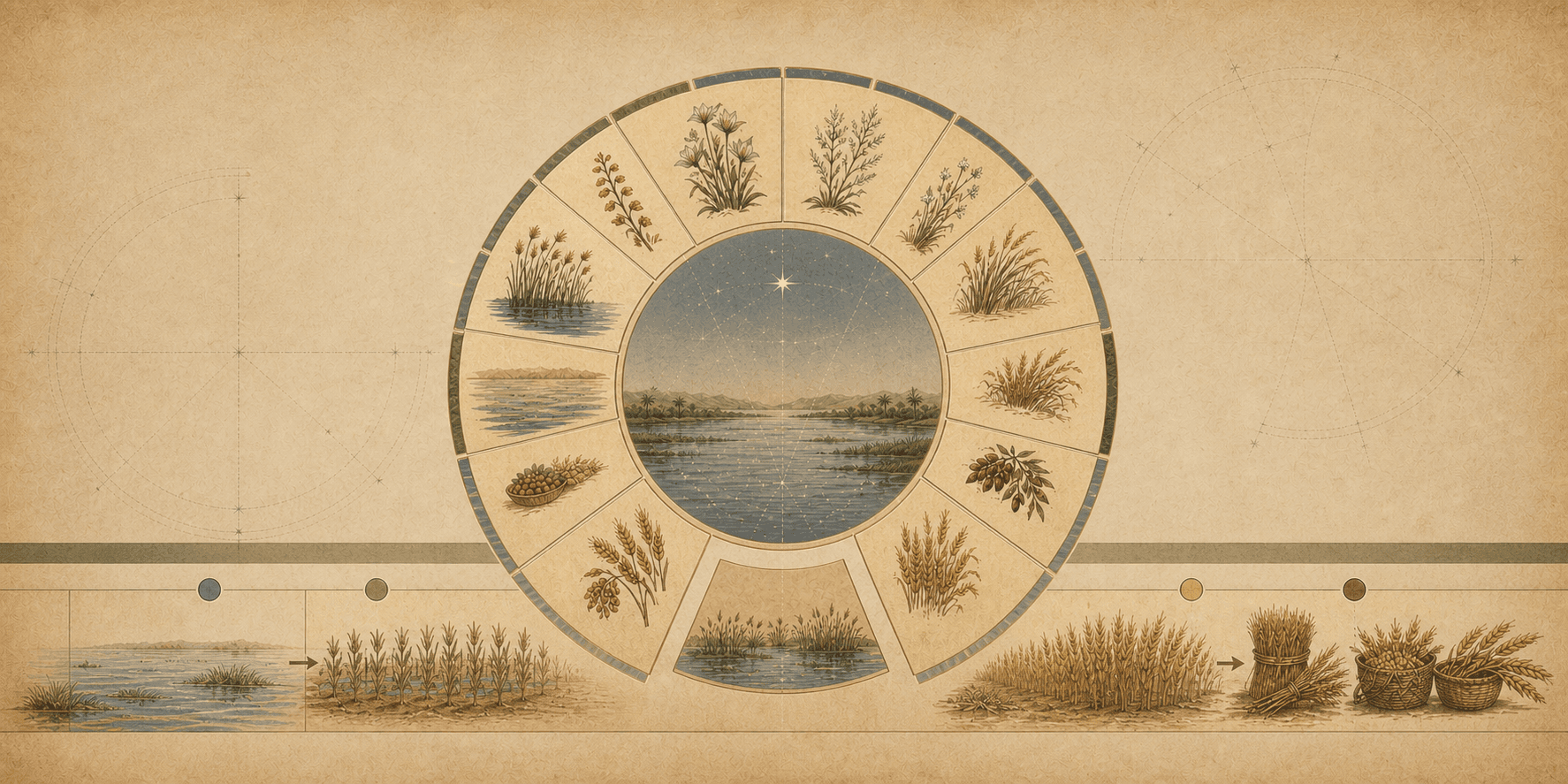
What the Gebti Calendar Is, and What It Is Based On
The Gebti calendar is a modern presentation of the Coptic calendar as a practical continuation of the older Egyptian civil calendar. It keeps the same month structure and leap-year rule, while using a different historical year count.
Published on